
Disclosure: This is an independent review. Upstart did not pay for it or review it before publication. Figures come from Upstart’s public loan pages and disclosures; your own offer may differ.
Upstart is one of the names that comes up fast when you search for a personal loan online, usually with the line that it looks at more than your credit score. That part is true. What the ads don’t spell out is how much the loan costs once the origination fee comes out, and that fee is the thing most borrowers find out about late.
We went through Upstart’s own loan pages and the small print under them, as published in January 2026, and worked through the representative examples line by line. This review covers what Upstart is, what it offers, what you actually pay, who tends to do well with it, and when you should look elsewhere.
Quick answer: Upstart is a lending marketplace, not a bank. Loans are made by its partner banks and credit unions. Personal loans run from $1,000 to $75,000 at fixed APRs of 6.5% to 35.99% over 3 or 5 years, and money usually arrives the next business day. The catch is the origination fee, reported at up to 12%. It comes out of the loan before you get the money. Checking your rate is a soft pull, so look at the offer, then compare the APR with at least one other lender before you accept.
What Upstart is (and isn’t)
Upstart Network was founded in 2012 and is based in San Mateo, California. It runs an online platform that matches borrowers with loans from partner banks and credit unions. Its site says it plainly: “Upstart is not the lender. All loans on Upstart’s marketplace are made by regulated financial institutions.” By September 30, 2025, Upstart said it had served more than 3 million customers across its marketplace.
What makes Upstart different is the underwriting. Its model weighs your education and employment alongside your credit history and income. Upstart also notes that neither it nor its partner banks require any minimum level of education. The idea is that a nurse two years out of school with a thin credit file may deserve a better rate than her score suggests.
Regulators paid attention early. In 2017 the Consumer Financial Protection Bureau issued its first-ever no-action letter to Upstart, covering fair-lending rules for its model. The letter was renewed in 2020 and ended in June 2022 at Upstart’s request, after Upstart said the review process slowed down changes to its model.
What you can borrow through Upstart
Personal loans are the main product, but they are not the only one. Here is the lineup as Upstart listed it in January 2026:
| Product | Amount | Rate (APR) | Term |
|---|---|---|---|
| Personal loan (unsecured) | $1,000 – $75,000 | 6.5% – 35.99% fixed | 3 or 5 years |
| Car loan refinance | From $3,000 | Varies by state; example 14.02% | 24 – 84 months |
| Short-term relief loan | $200 – $2,500 | Up to 36% (no interest, fixed charge) | 3 – 18 months |
| HELOC (Upstart Home Lending) | $26,000 – $250,000 | 6.52% – 18.00% variable | Line of credit |
A few details from the footnotes are worth knowing. Personal loan minimums are higher in some states: $3,100 in Georgia, $1,500 in Hawaii and $7,000 in Massachusetts. The 6.5% to 35.99% range is based on 5-year rates offered in September 2025, and the lowest rates are for the strongest applicants. Car refinancing is not offered in Iowa, Maryland, Nevada or West Virginia. Upstart also has an acceptable use policy that rules out certain uses of loan money, such as firearms or anything illegal.
The real cost: how the origination fee works
Most loans through Upstart carry an origination fee. Reviewers commonly report a range of 0% to 12% of the loan amount. It isn’t billed separately. It is taken out of the loan before the money reaches your account, so you repay the full amount but receive less.
Upstart’s own representative example shows how this plays out:
| Upstart’s example | Amount |
|---|---|
| Loan amount | $10,000 |
| Term | 60 months |
| Interest rate | 19.90% |
| Origination fee (8.36%) | $836, deducted upfront |
| Cash you receive | $9,164 |
| Monthly payment | $266 |
| APR (interest + fee) | 24.36% |
| Total of 60 payments (approx.) | $15,960 |
So on a “$10,000 loan”, this borrower gets $9,164 and pays back about $15,960 over five years. That works out to roughly $6,800 in interest and fees for $9,164 of usable cash. That is why the APR (24.36%) is higher than the interest rate (19.90%). The APR includes the fee, and it’s the number to compare between lenders.

The other practical issue: if you need a specific amount in hand, such as the exact balance on a credit card you want to pay off, you have to borrow more than that amount. A rough guide for ending up with $10,000:
| Origination fee | Borrow about | Fee taken out |
|---|---|---|
| 0% | $10,000 | $0 |
| 4% | $10,417 | $417 |
| 8.36% (Upstart’s example) | $10,912 | $912 |
| 12% | $11,364 | $1,364 |
Borrowing more to cover the fee also means paying interest on the fee for the life of the loan. Your offer will show the exact fee and the amount you will receive. Read it before you accept.
Other fees to know about
- No prepayment penalty. You can pay off part or all of the loan early with no fee, which cuts the total interest you pay. The origination fee itself is not refunded.
- Late fee. Widely reported as the greater of 5% of the past-due amount or $15, charged once a payment is about 10 days late. Exact terms are in your promissory note and can vary by lender.
- Failed payment fee. Reported as $15 each time a payment bounces or is returned.
- Paper copies. $10 if you withdraw e-sign consent and ask for paper records.
- No autopay discount. Unlike some online lenders, Upstart doesn’t advertise a lower rate for setting up autopay.
Who gets approved
Upstart doesn’t publish one hard minimum credit score, and that’s part of its pitch. Independent reviews report that applicants with scores as low as 300 can qualify in most states, though approval at that level is far from certain and the rate will be near the top of the range. The basic requirements reported by reviewers are:
- At least 18 years old (19 in Alabama and Nebraska) and living in the US
- A Social Security number, a valid email address and a US bank account
- Minimum annual income of $12,000 (Upstart states this figure for its short-term relief loans)
- No current delinquencies or accounts in collections, and not too many recent credit inquiries
One more limit: you can’t add a co-borrower or co-signer to an Upstart personal loan. If your application only works with a partner’s income, look elsewhere.
How applying works

The process is short, and that is a real strength:
- Check your rate. Upstart says this takes about five minutes and uses a soft credit inquiry, which doesn’t affect your score.
- Review the offer. You’ll see the APR, the term, the fee and the amount you will actually receive. Nothing is final yet.
- Apply. If you continue, there’s a hard credit inquiry, which can lower your score slightly. Upstart says most applicants get an instant decision without uploading documents, but some are asked for proof of income or identity, which adds time.
- Get the money. Accept by 5pm ET on a weekday and funds are sent the next business day. Upstart says 99% of personal loan funds go out one business day after signing. When the money appears depends on your bank.
For debt consolidation, Upstart’s pages describe the loan as a way to roll credit cards, store cards and high-cost loans into one fixed monthly payment. That only saves money if the APR you’re offered is lower than what you pay now.
Car refinancing and short-term relief loans
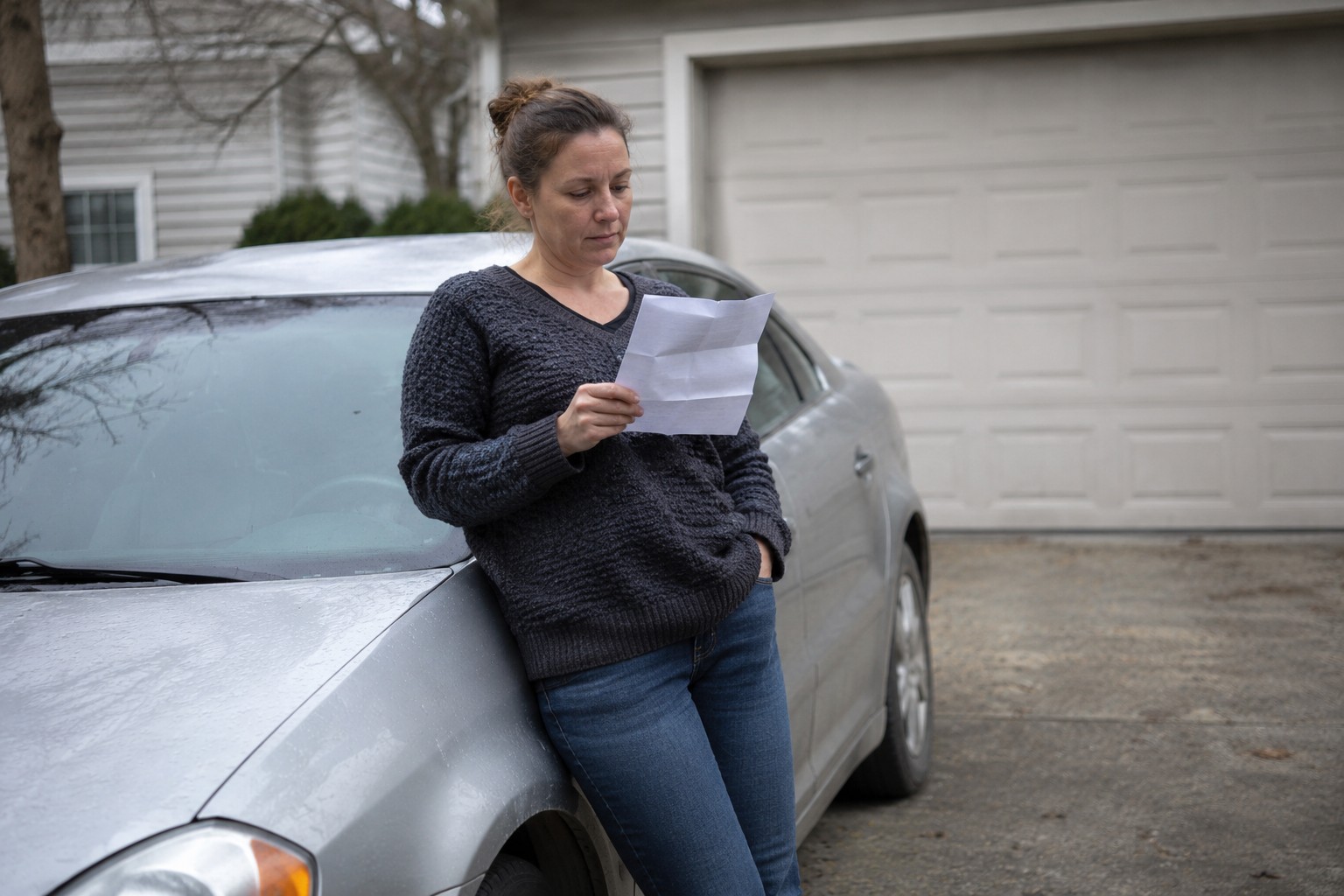
Car refinance. Upstart-powered refinance loans start at $3,000, with terms from 24 to 84 months. The car has to be under 13 years old with fewer than 140,000 miles. Upstart’s example is a $20,000 loan at 12.3% interest with a $1,000 origination fee (14.02% APR) over 60 months, at $449 a month. Co-owners can sign a consent form, but co-borrowers aren’t allowed. Upstart says approved borrowers saved an average of $127 a month in September 2025. That average won’t apply to everyone, so compare your current APR and remaining term against the offer. Stretching the term can lower the payment while raising the total cost.
Short-term relief loans. These are small loans from $200 to $2,500, repaid over 3 to 18 months. There’s no interest. Instead you pay a fixed finance charge, with the APR capped at 36%. There are no late fees and no prepayment penalty, and payments are reported to the credit bureaus. Upstart publishes the cost for each amount and term:
| Amount borrowed | 3 months | 12 months | 18 months |
|---|---|---|---|
| $500 | $30 | $103 | $154 |
| $1,000 | $61 | $205 | $308 |
| $1,500 | $91 | $308 | $462 |
| $2,000 | $121 | $411 | $617 |
| $2,500 | $151 | $513 | $771 |
That is far cheaper than a payday loan, which Upstart’s comparison puts at 400% APR or more. It is still not cheap money: $308 to borrow $1,000 for 18 months is a real cost. If you need more time, you can extend the term once you have some payment history, but a one-time fee may apply and the extension is reported to the bureaus as a loan modification.
Pros and cons
| Pros | Cons |
|---|---|
| Looks beyond your credit score (education, job) | Origination fee reported up to 12%, taken from the loan |
| Rate check is a soft pull | APR can reach 35.99% for weaker profiles |
| Funds usually sent the next business day | No co-borrowers or co-signers |
| Loans up to $75,000, fixed rates | Only 3- or 5-year terms on personal loans |
| No prepayment penalty | No autopay rate discount |
Is Upstart a good choice for you?
Upstart tends to work best for people whose credit score doesn’t reflect their real situation: recent graduates, people early in a well-paid career, newcomers with a short US credit history. It’s also useful if you need money quickly. If you have strong credit, an established history and time to shop around, you can often find a loan with no origination fee, and the same APR then costs you less.
A sensible way to use it: check your rate at Upstart (no effect on your score), check one or two other lenders or your own credit union the same day, and compare APRs, the amount you’d receive and the monthly payment side by side. If the Upstart offer comes with a fee near the top of the range, treat that as a reason to keep looking, not a reason to borrow more.
And if you’re consolidating debt, the loan only helps if you stop adding to the cards you pay off.
This article is general information, not financial advice. Rates, fees and eligibility are set by Upstart’s lending partners, vary by state and can change. Always read your loan offer and promissory note before you accept.
Frequently asked questions
Is Upstart a legitimate lender?
Upstart is a legitimate, publicly listed lending marketplace founded in 2012. It is not the lender itself. Loans on its platform are made by regulated banks and credit unions that partner with it.
Does checking my rate on Upstart hurt my credit score?
No. Checking your rate uses a soft credit inquiry, which doesn't affect your score. A hard inquiry only happens if you accept an offer and continue with the full application.
What credit score do I need for Upstart?
Upstart doesn't publish a single minimum score and considers education and employment as well as credit. Independent reviews report approvals for scores as low as 300 in most states, but lower scores get higher APRs and approval is not guaranteed.
How much is Upstart's origination fee?
It depends on your profile and is commonly reported at 0% to 12% of the loan. It is deducted from the loan before funding. In Upstart's own example, an 8.36% fee on a $10,000 loan means you receive $9,164.
How fast does Upstart fund a loan?
If you accept your loan by 5pm ET on a business day, the funds are sent the next business day. When they show up in your account depends on your bank.
Can I pay off an Upstart loan early?
Yes. There is no prepayment penalty, so paying early reduces the total interest you pay. The origination fee is not refunded.
The short version
Upstart is a fast, legitimate way to get a personal loan, and it can give fairer rates to people whose credit score undersells them. The origination fee is what really sets the cost. Compare the APR and the amount you’d actually receive against at least one other offer before you sign. You can check your rate on Upstart’s website without affecting your credit score.
Sources: Upstart homepage · personal loans · debt consolidation loans · auto loan refinance · short-term relief loans (product terms, representative examples and footnotes as published January 2026) · WalletHub and Forbes Advisor (fee and eligibility details) · American Banker (CFPB no-action letter). Terms vary by state and change over time; confirm on upstart.com.