Disclosure: This is an independent guide. Some links below are affiliate links, which means we may earn a small commission if you buy through them, at no extra cost to you. It never changes what we recommend.
Under Armour more or less started with one shirt: a tight, light tee that kept football players cool under their pads. That was HeatGear. Players then asked for the same thing for winter, and that became ColdGear. Three decades later, both lines are still the core of the brand, and they’re still what most people mean when they say they want “an Under Armour shirt.”
The trouble is that the range has grown around them. On UA.com right now there’s HeatGear, HeatGear OG, HeatGear Elite, ColdGear, ColdGear Fitted, ColdGear NEOLAST, UA Base 3.0 and 4.0, plus six different fits. This guide sorts out what each one is for, what it costs and which size to get, using UA’s own product specs and what more than 2,000 reviewers say about the best sellers.
Quick answer: HeatGear is UA’s thin, smooth, hot-weather fabric for training when it’s warm. ColdGear is a heavier dual-layer fabric with a brushed inside that traps heat, for cold-weather training. For the coldest days, the UA Base 3.0 (mid-weight) and 4.0 (warmest) crews go further. Most core pieces cost $35–$45 for HeatGear and $60–$70 for ColdGear, up to $110 for UA Base 4.0. Pick the fit as carefully as the fabric: Compression is ultra-tight, and reviewers consistently say it runs small, so many size up. Fitted is close to the body without the squeeze.
UA’s fabric names, decoded
Under Armour names its fabrics by what they do, but the names have piled up over the years. Here’s the current line-up for baselayers and what each one is actually for:
| Line | What it’s for | Typical price |
|---|---|---|
| HeatGear | Hot-weather training. Thin, smooth, fast-drying; worn alone or under pads and jerseys | $35–$40 |
| HeatGear OG | Contact sports in the heat. Thicker “original” knit that resists pinching, snagging and chafing under pads | $45–$50 |
| HeatGear Elite | Premium hot-weather compression; the women’s Elite tops use NEOLAST stretch fibre | $50–$60 |
| ColdGear | Cold-weather training. Dual-layer fabric: brushed inside to hold heat, smooth outside to move sweat | $55–$60 |
| ColdGear NEOLAST | New this season: ColdGear with more stretch, better shape retention and faster drying | $70–$80 |
| UA Base 3.0 / 4.0 | Cold-weather baselayers for hiking, skiing and outdoor days. 3.0 is mid-weight; 4.0 is the warmest, with scent control | $75 / $110 |
| Iso-Chill | Cool-to-the-touch fabric. Today it’s mostly golf gloves, caps and UPF outdoor shirts, not baselayers | $20–$55 |
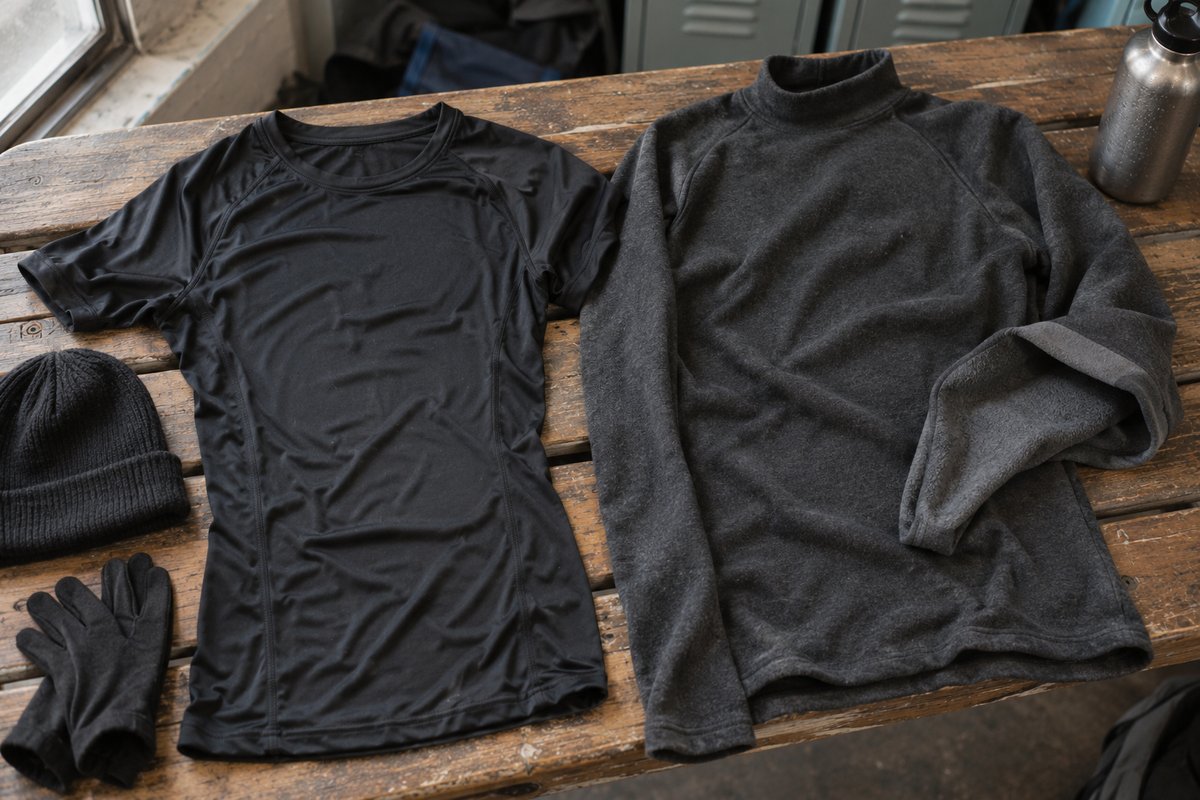
All the baselayers above are polyester with elastane (or, on some newer pieces, an elastoester fibre) for stretch. The differences are in the knit. HeatGear is thin and smooth on both sides. ColdGear is a double layer with a soft, brushed inner face that holds a layer of warm air against your skin. You can see the difference the moment you turn one inside out.
HeatGear: which one to buy
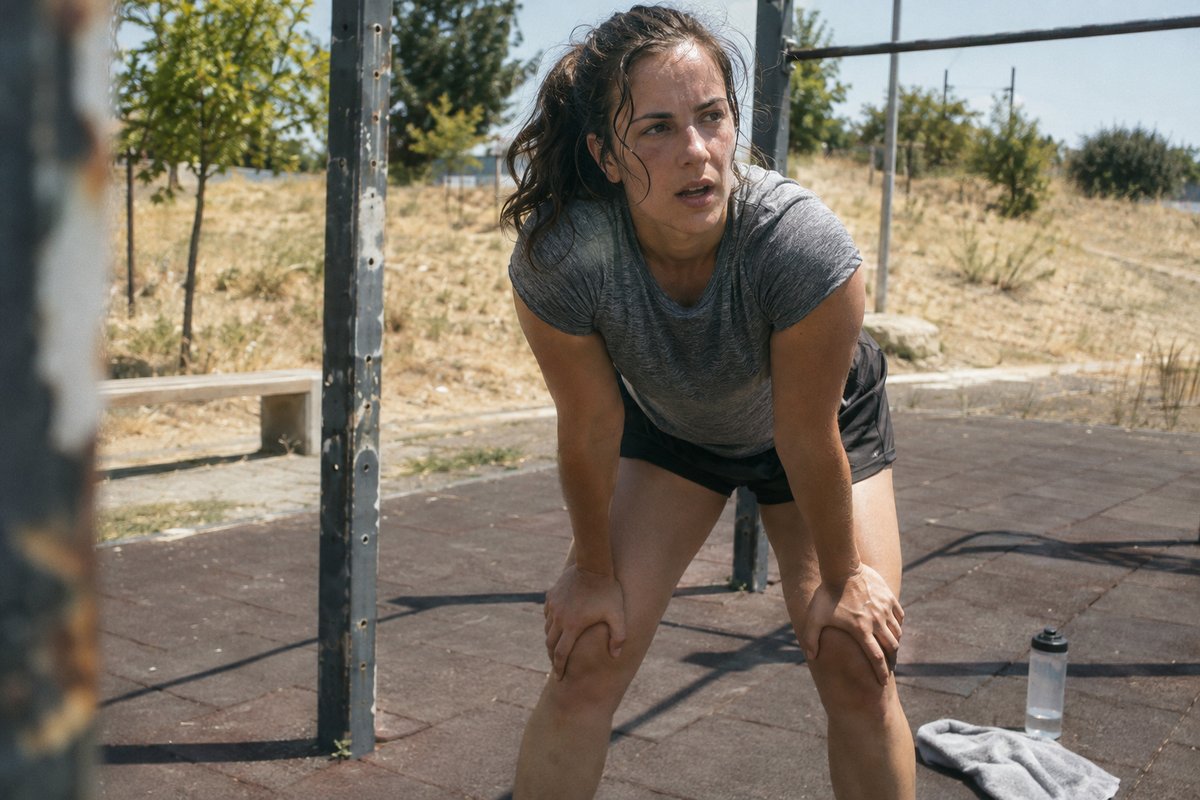
For most people, the answer is the plain one. The HeatGear Compression Short Sleeve ($35) is the shirt the brand was built on, and it’s still the best reviewed: 4.8 out of 5 from 1,398 reviews, with 97% of reviewers recommending it. The body is 84% polyester and 16% elastane, with mesh panels for ventilation. Reviewers love how it wicks sweat and how long it lasts. The two common complaints are that it runs small and that the neckband can stretch over time.
The others are for more specific needs:
- HeatGear OG Compression ($45 short sleeve, $50 long sleeve) uses a thicker knit, built for football and other contact sports where the shirt sits under pads all practice. If you’re not wearing pads, you’re paying for durability you won’t use.
- HeatGear Compression Mock Long Sleeve ($40) covers your arms and neck. It’s useful for sun protection on long outdoor sessions, or as a summer layer under a jersey.
- HeatGear Elite ($50–$60) is the premium option. On the women’s tops, UA adds NEOLAST stretch fibre, which it says keeps the compression shape for longer. It’s newer, so there aren’t many reviews yet.
One thing to know about HeatGear leggings: UA’s own product page for the women’s version says they’re “hot-weather weight, not insulated, and not yoga-specific.” Honestly, that’s useful. If you want leggings for a cold run or a yoga class, HeatGear isn’t it.
ColdGear and UA Base: staying warm
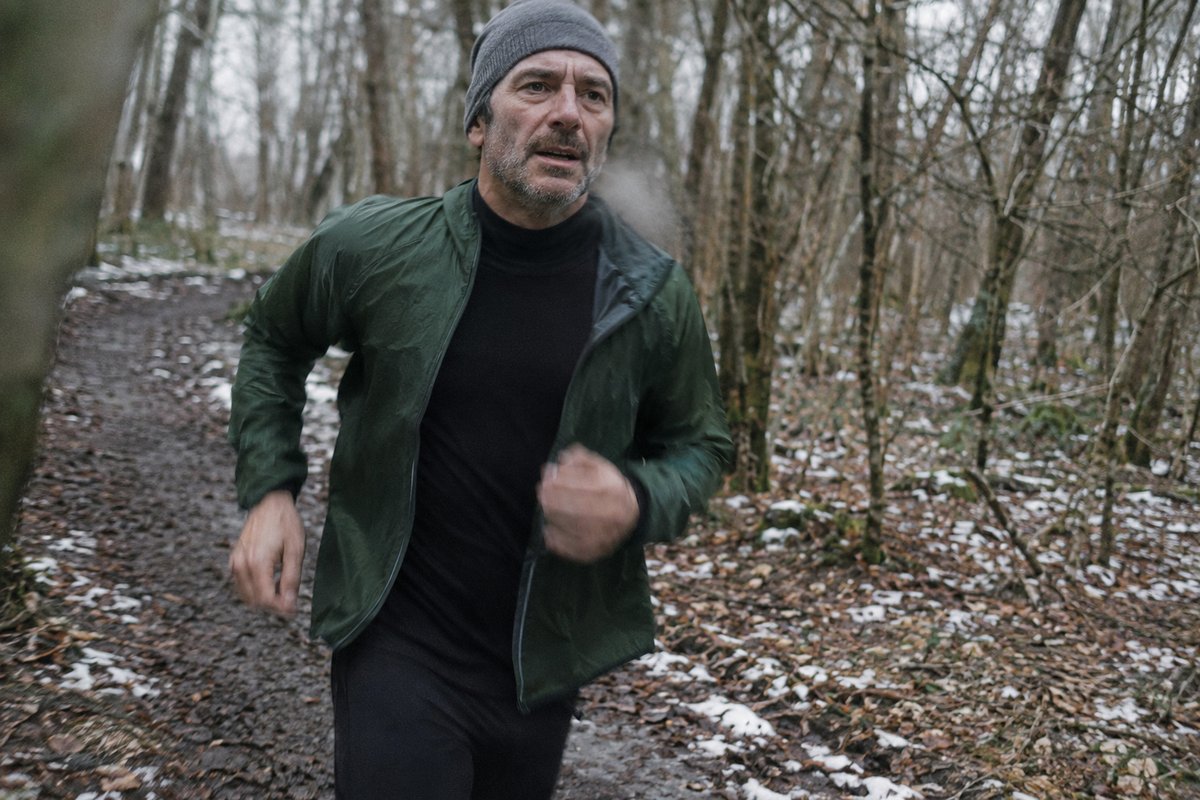
The ColdGear Compression Mock Long Sleeve ($60) is the winter counterpart to the HeatGear tee: 87% polyester and 13% elastane, with a brushed dual-layer interior and a mock neck. It has a 4.7 rating from 635 reviews, and 96% recommend it. Reviewers praise how warm it stays in freezing weather, but most say it runs small and that they sized up on purpose. A few mention the mock neck stretching after washing.
If you don’t want compression, the ColdGear Fitted Crew ($60) uses the same fabric with a looser cut. It’s rated 4.8 from 482 reviews, with 97% recommending it, and reviewers describe the fit as true to size and easy to layer under uniforms and jackets. For most people who just want a warm layer under a jacket for winter runs, dog walks or coaching from the sidelines, this is the one I’d pick.
Then there are the newer and warmer options:
- ColdGear NEOLAST ($70–$80): the new version of the compression mock, plus leggings and a women’s half-zip. UA says it stretches further, holds its shape better and dries faster. It’s $10 more than the original and only arrived this season, so there’s very little review history yet. If you’ve worn out a regular ColdGear mock and want the same thing with better stretch, it’s worth a look.
- UA Base 3.0 ($75): a mid-weight crew (91% polyester, 9% elastane) aimed at hiking, skiing and general cold-weather use rather than team sports.
- UA Base 4.0 ($110): UA calls it the warmest in the UA Base line, designed for “extreme warmth without bulk,” with scent control. It’s rated 4.9 from 21 reviews. That’s a small sample, but every reviewer recommended it. Buy it for long cold days outside, not for the gym.
- ColdGear Balaclava Hoodie ($80): a ColdGear hoodie with a built-in face mask. It’s niche, but if you run or train outside in real winter wind, it does a job nothing else in the range does.
The six fits, and how to choose your size
The fabric decides how warm or cool you’ll be. The fit decides whether you’ll actually wear it. Every UA product page lists one of six fits, and this is how UA defines them:
| Fit | UA’s description | Best for |
|---|---|---|
| Compression | “Ultra-tight, second-skin fit that squeezes your muscles” | Under pads and uniforms, lifting, team sports |
| Tight | “Snug & form-fitting without the squeeze of compression” | Running, a first layer you’ll wear all day |
| Fitted | “Close to the body for a streamlined look & feel” | Layering under a jacket; people who find compression too much |
| Regular | “Not too tight, not too loose” | Training tees worn on their own |
| Relaxed | “Generous, loose fit with plenty of room to move” | Fleece, hoodies, warm-ups |
| Oversized | “Exaggerated, extra-spacious fit & design” | Casual wear; not a baselayer |
For sizing, UA’s men’s tops chart goes by chest measurement: Small is 34–37 inches, Medium 37–41, Large 41–44, XL 44–48 and XXL 48–52, up to 5XL. Tall sizes are 2 inches longer, which is worth knowing if baselayers usually ride up your back.
My advice: if your chest measurement sits in the middle of a size, order that size. If you’re at the top end of a size and buying Compression, go up one, because that’s what most reviewers of the best sellers ended up doing. For Fitted and looser cuts, stick to the chart. And try it on at home before you sweat in it. UA only accepts returns of unworn, unwashed gear with the tags on, so you get one chance to check the fit. Our guide to buying from UA.com covers the return and exchange rules in detail.
What to wear at which temperature
UA doesn’t publish temperature ratings for these lines, so this is my rule of thumb. Adjust it for how hard you work and how warm you run:
- Above about 70°F (21°C): HeatGear short sleeve on its own, or under a jersey.
- About 55–70°F (13–21°C): HeatGear long sleeve, or a HeatGear tee under a light top that you can take off.
- About 35–55°F (2–13°C): ColdGear, compression or Fitted, on its own for hard efforts or under a light shell for easier ones.
- Below about 35°F (2°C): ColdGear or UA Base 3.0 under a windproof jacket, with a hat and gloves. For long, slow days outside like hiking, skiing or standing on a sideline, UA Base 4.0.
The common mistake is overdressing. If you’re running or training hard, you should feel a little cold for the first ten minutes. ColdGear is designed to keep you warm while you move. On a slow walk in the same temperature, you’ll want a warmer layer on top.
Looking after it
UA’s care instructions on the ColdGear page are short: machine wash cold with like colours, use non-chlorine bleach when needed, tumble dry low. And don’t iron it, dry clean it or use fabric softener. UA says softeners “coat fibers & degrade wicking.” That’s the one people get wrong, because softener makes a shirt feel nicer for one wash and slowly stops it from moving sweat. Hang-drying when you can is also kinder to the elastane, which is what gives compression its squeeze.
When to buy, and what it costs
Here’s the catch with the classics. On UA.com, most core HeatGear, ColdGear and UA Base pieces carry the note “This item is excluded from any promo codes and offers.” That includes the $35 HeatGear tee, the $60 ColdGear mock and Fitted crew, and the $110 UA Base 4.0. The newer NEOLAST mock didn’t have that note when I checked. None of them turned up in the 120 Outlet items I sampled either.
The note says “offers” as well as promo codes, so don’t assume an ID.me or UNiDAYS discount will apply. Add the item to your cart and check. The surest way to pay less on the classics is another retailer running its own sale. If you’re buying several pieces, get over $99 for free shipping. And if you order in November or December, you get 90 days to return instead of 60. For how those discounts stack, see our full UA.com buying guide. If you’re putting together a full kit for a new running habit, our APL sneaker review covers the shoe side.
Frequently asked questions
What is the difference between HeatGear and ColdGear?
HeatGear is Under Armour’s thin, smooth fabric for hot weather, built to wick sweat and dry fast. ColdGear is a heavier dual-layer fabric with a brushed interior that traps body heat, built for cold-weather training. Both come in compression and looser fits.
Can you wear ColdGear in summer, or HeatGear in winter?
ColdGear will feel too warm for most summer workouts. HeatGear works in winter as a thin first layer under something warmer, but on its own it won’t keep you warm in the cold.
Does Under Armour compression run small?
Many reviewers say so. On both the HeatGear compression tee and the ColdGear compression mock, the most common sizing comment is that they run small and that people sized up. Fitted pieces are usually described as true to size.
What is ColdGear NEOLAST?
It’s a new version of ColdGear launched this season. UA says it stretches more, keeps its shape better and dries faster than the original. The compression mock costs $70, $10 more than the classic ColdGear mock.
What is the warmest Under Armour baselayer?
UA describes the UA Base 4.0 crew ($110) as the warmest option in its UA Base line. For training in the cold, ColdGear compression or Fitted is usually enough. UA Base 4.0 is better for long, slower days outside.
Can you put Under Armour baselayers in the dryer?
Yes, on low. UA’s care instructions say to machine wash cold and tumble dry low, and not to iron, dry clean or use fabric softener, because softener coats the fibres and reduces wicking.
The short version
Buy HeatGear for warm weather and ColdGear for cold. The plain $35 HeatGear compression tee and the $60 ColdGear mock or Fitted crew cover what most people need. Go for UA Base 4.0 only if you spend long, slow hours outside in real cold. Choose the fit as carefully as the fabric: Compression runs small, Fitted doesn’t. Try it on before you train in it, skip the fabric softener, and don’t count on promo codes for the classics.
Sources: UA.com product pages, including specs, care instructions and review summaries, for the HeatGear Compression Short Sleeve, HeatGear OG Compression Short Sleeve, HeatGear Compression Mock Long Sleeve, HeatGear Elite Women’s Short Sleeve, HeatGear Women’s Leggings, ColdGear Compression Mock Long Sleeve, ColdGear NEOLAST Compression Mock Long Sleeve, ColdGear Fitted Crew, ColdGear Women’s Leggings and Mock Long Sleeve, ColdGear Balaclava Hoodie, UA Base 3.0 Crew and UA Base 4.0 Crew; UA’s Size & Fit Guide (men’s tops chart and fit comparison); and the UA.com HeatGear, ColdGear and Iso-Chill category pages. Prices, ratings and review counts were recorded at the start of November 2026 and change often. Temperature ranges are our own guidance, not Under Armour’s.