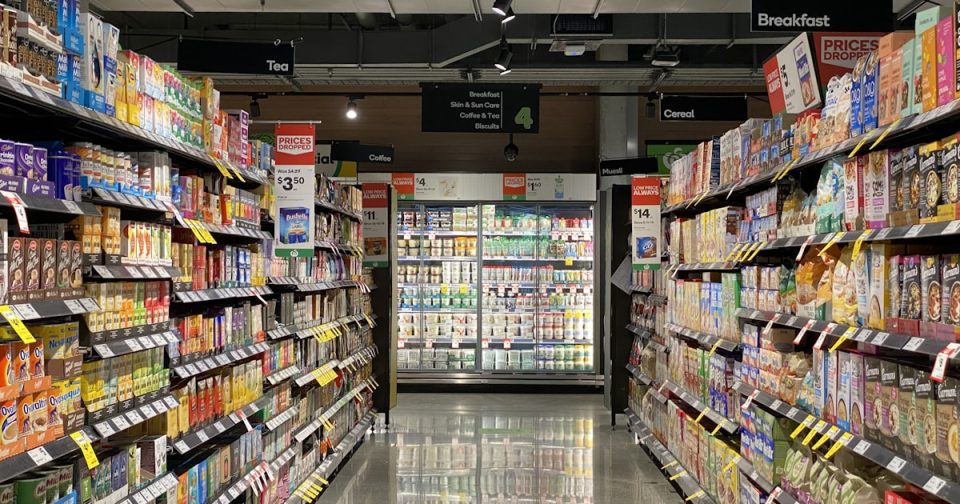
When running an online store, particularly an independent boutique, there’s a persistent issue of where to find unique items that are unavailable in your specific zip code. If you come across the mass-market candle at Target, a customer will instantly recognize it as their own. The one that I use for sourcing is the exact workflow that was developed using Faire, and I have also had to learn some aspects of it myself.
Why Product Curation Is Everything for a Small Retailer
Quickly evaluate the situation before taking action. Every indie store I’m a fan of, from posh ones down the street in Brooklyn to tech-savvy boutiques that operate solely on Shopify and run out of tin boxes in rented garages, has buyers who think like editors. Their task isn’t to fill shelves. They’re opting for a particular voice.
The mindset that Faire was created to uphold is what it advocates. With 100,000+ independent brands inside the catalog, the sourcing process becomes less of a chore and closer to flipping through a magazine you actually want to read. When I sit down to place an order, I frequently refer to the workflow below.
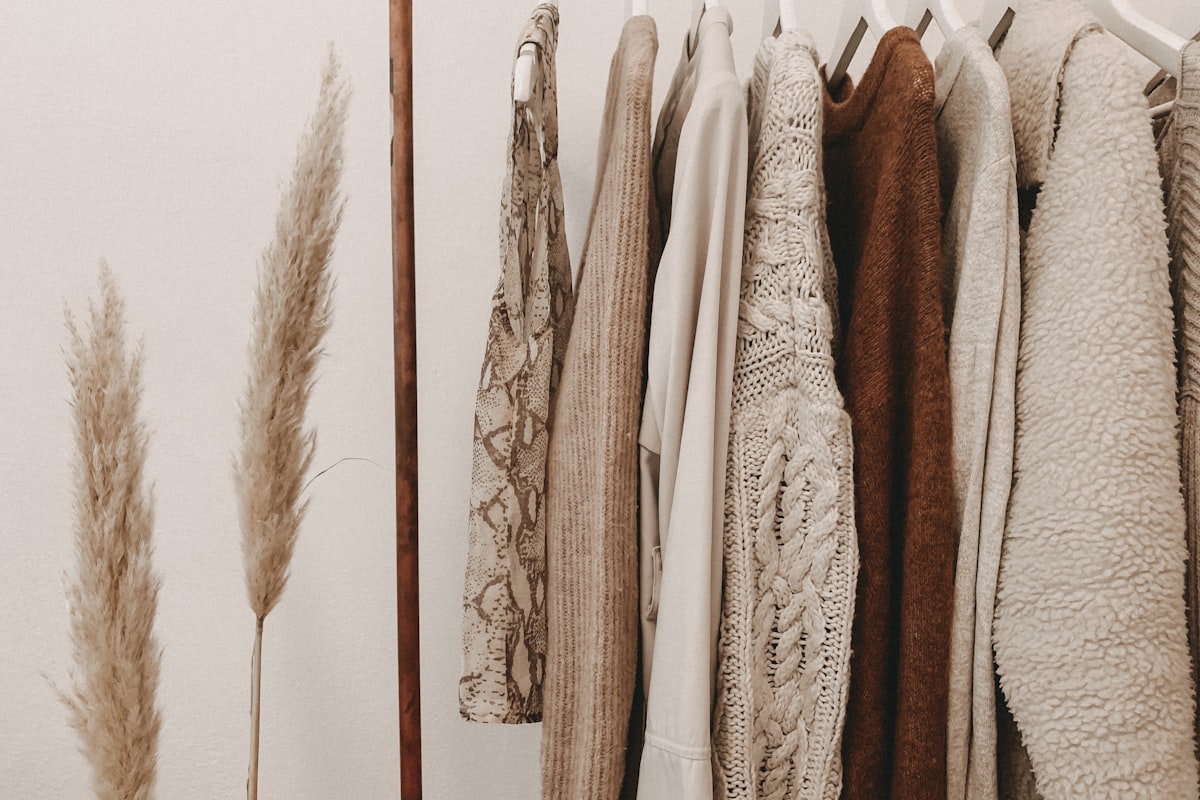
Curation, not logistics, the art of picking what goes on your shelves.
Step 1, Set Up Your Faire Account the Right Way
Setup takes approximately 15 minutes, so take your time. Before approving your first order, brands read your profile.
Verify your business. Obtain any type of proof, such as a business license, tax ID, or resale certificate. You can sell exclusively online, but it requires demonstrating that you are dealing as a retailer and not purchasing items on your own.
Compute the necessary information for the store’s profile. An Instagram handle, storefront pictures, and your website URL. Many brands, especially those of lower-end brand names like Balanchine and Neapolitan, screen their orders manually, and having a well-organized profile pays off in approvals.
Mark your shop with a name. Anything goes – modern, boho, coastal, minimalist, anything goes. The “For You” feed will be guided silently by these tags for several months.
Confirm net-60 eligibility. Auto-approval is the norm for new accounts, but they must be verified within their settings. The cashflow component of the platform is Net-60, to be sincere.
Prior to approving an opening order, brands should verify your Instagram profile. If anything is on the grid at present, it’s best to make your shop appear as a place rather than like an empty camera roll.
Step 2, Use Advanced Filters to Skip the Noise
Honestly, it’s like watching firehose from Faire’S feed. To make it functional, filters are necessary. I’ll start with the following combination:
The categories are grouped together in sequence, such as “candles” and “home.”
Minimum order, cap this at what you’re comfortable risking per brand ($100–$300 for first tests)
Lead time, 1–2 weeks for seasonal collections, up to 4 for evergreen stock
The objective is to reach a maximum number of 55%+ (As demonstrated by Faire).
Always remember to include free returns when testing new brands.
If your store is committed to a values-based brand, consider using sustainability certifications.
If you want to avoid the “Best sellers,” search for new arrivals by selecting New Arrivals. These items are also found in every other boutique, including the one that is located two blocks below.
Step 3, Order Samples Before You Commit
Newly acquired customers bypass and regret this action. Despite the beauty of an appealing product photo, the bulk order arrives and the candle has that familiar hotel scent, with packaging showing signs of wear and tear. Refrain from being the purchaser.
We suggest starting with a brand that you haven’t previously worked with, along with the minimum opening order required.
You can choose to receive a free opening-order return, which is available until 60 days.
Remove product packaging from your shop, capture it in your surroundings, test shop some items before making a complete re-order.
When a new brand makes their first purchase, it’s not really about purchasing; it is more of pursuing research. It is a test of whether the product is appropriate for your customer, their availability in stores, or to maximize profits.
A note from the buying side
There is a pattern that I keep encountering, where an item in my hand becomes detectable and then disappears while on the floor for several weeks. Placement wasn’t the issue, but the product was. A tiny notepad is now in my possession for “cases that arrived potent yet failed to sell,” with the typical reason being they were discarded beside something more loud. Neither sourcing nor merchandising are synonymous, and Faire can only provide an example of the latter.
Step 4, Build a Category Mix, Not a Single-Product Shop
Over-indexing on a single mood is reminiscent of the classic boutique sourcing mistake. The client arrives, signs “it’s boho coastal,” purchases a piece, and departs. Two or three items in the bag are generated during a single visit due to utilizing stale floor space.
A sample blend I discovered is suitable for a gift shop located in square footage of 400.
Category
% of Floor
Why
Candles & fragrance
15%
Easy gifting, high margin
Stationery & paper goods
20%
Impulse buys, low price point
Small home décor
25%
Defining aesthetic, bigger tickets
Jewelry & accessories
15%
High margin, low footprint
10% – For kids and baby gifts for new customers.
Driver of food and drink (pantry) repeatedly purchases 15%.
Despite the concept, the rule remains effective in categorizing your real mix to account for different customer reasons.
Browse Faire’s Catalog →
*Free to join for verified retailers
Stationery and paper goods are reliable impulse buys for most boutique formats.
Step 5, Turn Winners into Faire Direct Relationships
Rebuying during the regular Faire checkout is no longer recommended once a brand has demonstrated consistent movement. Request an invitation to attend Faire Direct and contact the brand. You keep the perks of Faire (net-60, buyer protection, clean invoicing), but the brand stops losing 15–25% to commission on the repeat orders.
In response, clever manufacturers offer a portion of their savings to be reimbursed by offering more advantageous pricing terms, early access to discounts, or free shipping restrictions. According to my experience, brands that enter Faire Direct tend to treat wholesale as a legitimate business rather than just being supplementary to their existing channels. It’s important to include those individuals in your diet.
Step 6, Rotate Seasonally and Track What Sells
Faire’s healthiest boutiques aren’t the ones that make as much money as possible. The feedback loop is tightening for them. Every 30–45 days, pull a sales report and ask:
What are the SKUs that fall under the category of 60 days? Reorder those deep.
Which SKUs sat? Reorganize them and leave no space for rearranging.
What are brands that always turn over? Is it a SKU or product type? Your workmates are your best friends, so make the most of their company.
What type of space is inferior to floor space? Re-balance.
A boutique that funnels funds into inventory is in a loop, which separatees it from an institution that thrives on inventory. Rather than creating your own spreadsheets, the Faire dashboard is where you do most of the work.
Where Faire Is Not Perfect
Before making your first order, it’s important to be aware of the trade-offs that the platform has, and I hope more buying guides will acknowledge this.
direct) and wholesale prices are skewered higher. A maker carrying their own line and selling to you on Faire Direct often quotes 5–15% below the public Faire price, because they’re factoring in the commission. The open catalog is the only way to avoid leaving a significant impact on the market.
Category depth is uneven. Deep within the home are stationery, candles, jewelry, and other items. The range of goods includes thin garments, advanced materials and certain edible items. You may need to bring a second source even if your shop concept is in .
Drill times can deviate from standard. During peak periods, the ship date may be announced at four, while the product page may indicate two weeks. Backlogs are encountered by small-scale manufacturers, particularly during Q4. Create a margin for safety.
It seems like a generous return policy, but the second order remains unchanged. Free returns are available for orders placed before midnight. Once you step past that initial opportunity, what you acquired is yours. Painful learning is experienced by buyers who treat every order as a test run.
But that’s not an excuse not to go on the platform.” This gives you the incentive to walk in, open your eyes and do little to no action or ask for too much at first when a dashboard says “we don’t want to change our brand”.
Common Mistakes to Avoid
Getting the orders down first time. Explore beyond 5-8 brand options. Refrain from spreading yourself in 20.
Ignoring lead times. You miss out on the holiday window if you wait for 4 weeks in October.
Chasing best-sellers. They are available in all other boutiques. Differentiation beats popularity.
Refusing to take advantage of the complimentary returns. The first down is 60 days, so you must give it up. I don’t think you should use it, that’s the whole point.
Not establishing connections with brand. Faire Direct deals and private lines for loyal retailers offer wholesale pricing that is not available in the public Faira catalog.
FAQ
What margin should I aim for on Faire products?
By allowing for shipping, markdowns, and seasonal discounts, you can achieve a 55%+ retail margin. This is easily screened by Faire as it shows the suggested MSRP and margin percentage on each product page.
How long does shipping take from Faire brands?
Brands experience different lead times. Most ship within 1–2 weeks of order confirmation. A handful of makers take 3–4 weeks, especially handmade categories. Before placing an order for a seasonal window, Faire displays the lead time of each brand on their product page.
Can I order from multiple brands in one cart?
Yes. One of Faire’s biggest advantages is that you can check out from many brands in a single cart. Despite shipping by different brands separately, you’ll receive one invoice and multiple net-60 payments.
Does Faire integrate with Shopify?
Yes. Shopify integration is a native feature of Faire that allows you to sync products, inventory, and images with your store in just 1-2-3 steps. Square, Clover, and Lightspeed are integrated into it for physical point-of-sale operations.
Final Thoughts
🛍️ Sourcing Is a Skill, And Faire Is the Best Place to Practice
Strong boutiques aren’t accidents. Buyers make every sourcing decision as an editorial one, and their output is the result. Faire provides a comprehensive catalog, cashflow allowance (net-60), and returns safety net in one workflow that is the most challenging.
Completed the repetitions. Curate. Test. Measure. Reorder the winners. A single voice becomes the norm for the shop, which no chain can replicate over the course of several seasons.
To begin, there are 5 brands. Order samples. Measure what sells. Then, explore the victorious candidates with a comprehensive analysis.
Payment terms for *Net-60 and free returns on opening orders are explained in
Start Sourcing on Faire →
.
Purchasing your items correctly can make a shop more attractive than one that only sells them for monetary gain. Utilize the time, with a focus on curation.