In the context of 2026, brand management is characterized by a familiar challenge: both attention and money are valuable, but so is the content. Making it on a weekly schedule consumes the calendar, while short videos increase reach and conversion. When my friend brought it up, I immediately took action by poking at Pippit. Pippit is an artificial intelligence creative platform that aims to provide quick and easy marketing videos for brands and creators, utilizing three flows: Link-to-Video, Avatar Video, and Agent Mode. As I noticed at the outset, there is a catch: although the setup is simple, the initial outputs usually require re-posting.
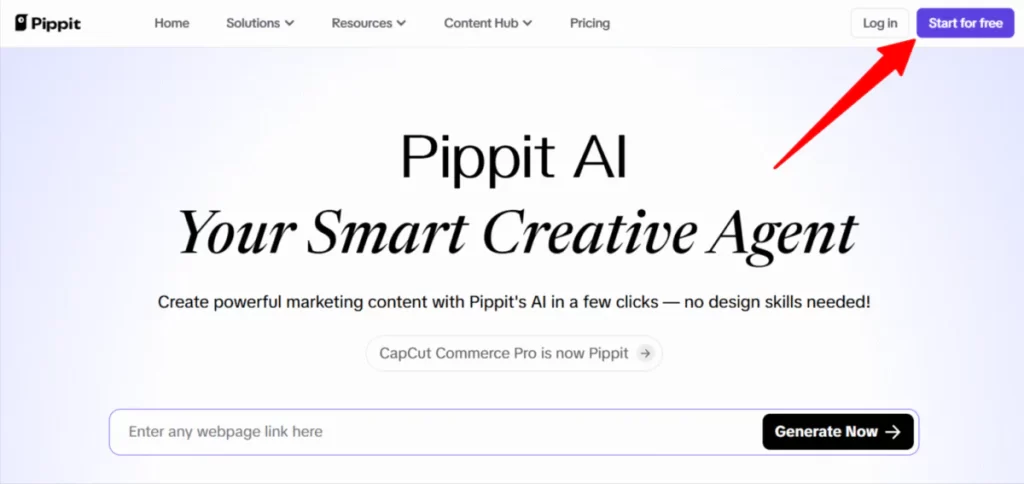
Why Most Brands Struggle With Video (Even When They “Know It Works”)
Ideas are not the problem. It’s execution. Hooks and scripts are essential elements of a short video. asset collection pacing, editing), captions, music platform resizing publishing and tracking The absence of Tuesday is a concern for teams consisting of two or three individuals. The argument put forth by Pippit is simple: reduce the number of steps to allow for more creative work to be sent in one space. While I have observed a real speed gain in my own runs, the “quality ceiling” of your prompt’s precision is still crucial. Generic clips are produced with ambiguous input.What Makes Pippit Different: “Agent Mode” Thinking
Pippit’s approach to video is more like that of an AI-agent project, rather than a manual editing project. After submitting your proposal, the procedure returns refined versions closer to being published than regular drafts. A built-in production assistant known as Pippit’s AI-powered Agent Mode is described in third-party writings as a means of compressing the pipeline. In practice it feels less like a magic button and more like a junior editor: it gets you to a 70% draft quickly, and you spend the saved time on the last 30%. Performance marketing seldom results in the most successful creative being polished for an extended period, making speed a crucial factor. The one that you tested is the one.The Fastest Way to Start: Paste a Link, Get Videos
My eCommerce job was brought to me by Link-to-Video. A feature that pulls copy and imagery from a page with insertion of ‘a product page, landing page or listing’ while Pippit generates video options that can be edited and exported for short-form. If the team lacks bandwidth to convert product pages into clips, it can be advantageous. When pages are thin copy or heavily JavaScripted, I will occasionally notice weaker pulls and flag them. To remedy this, the initial hook must be manually rewritten.Don’t Want to Be on Camera? Use Avatar Video
Multilingual versions are available on Avatar Video, if you need someone who is not currently filming or willing to present. Despite not being a preference for emotional brand spots, the avatars seem to be suitable for B-roll inserts and explainer cuts, but the lip sync at full-time does not match.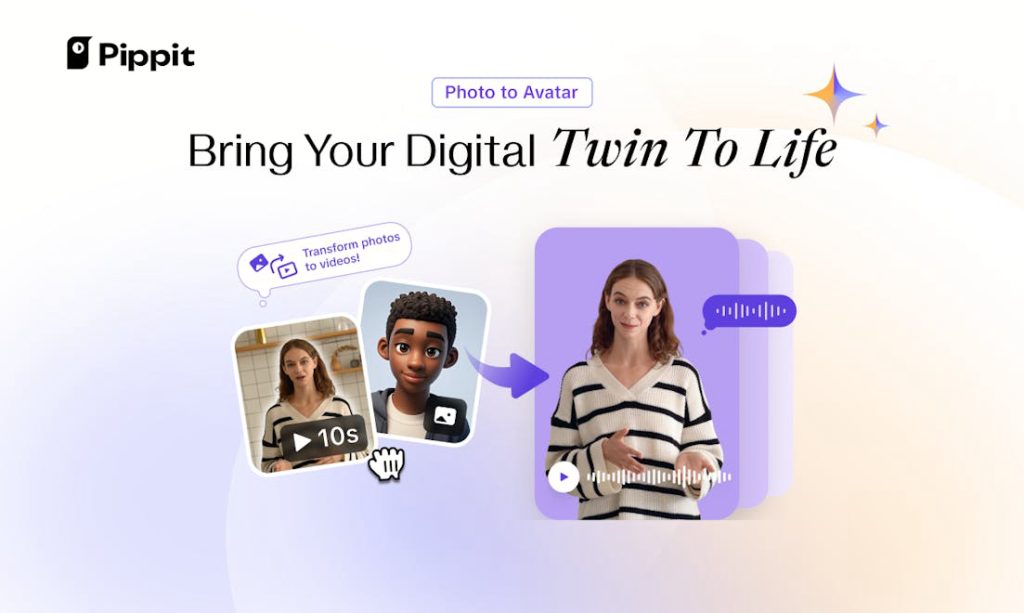
From Creation to Posting: One Workflow
Pippit positions itself past “just generation.” Its Video Agent concept is framed around create, schedule, and publish in one place, so you are not bouncing between an editor, a scheduler, and an asset folder. While I am utilizing the booking component, my decision to maintain separate calendars is complicated by the requirement for more notes when reviewing across multiple teams in in-app comments. Pippit highlights the need for shops to have Shopify and TikTok Shop and product listings as their syncing element.A Simple Prompt Framework That Instantly Improves Output
The point that I’m still learning is that using Pippit’s prompt guide can help you produce better results by using better ones. Structure helps. Discuss the audience, objective/goal of choice (i.e. I was able to use the following prompt: Example PromptCreate 3 TikTok-style product videos for [product]..
Target: [audience].
Hook in the first 2 seconds.
Highlight 2 benefits: [benefit 1], [benefit 2].
Add captions, fast pacing, and end with “Shop now” CTA.